Page author: David Giblin
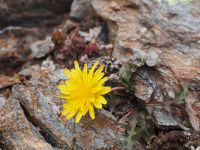
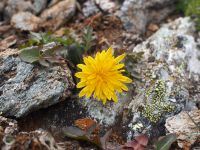
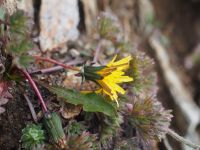
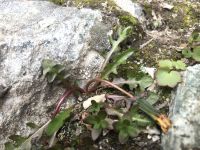
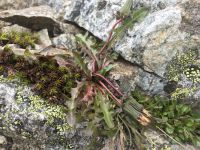
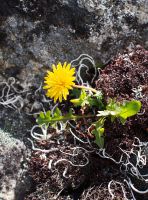
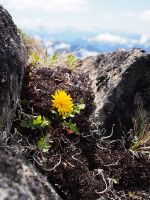
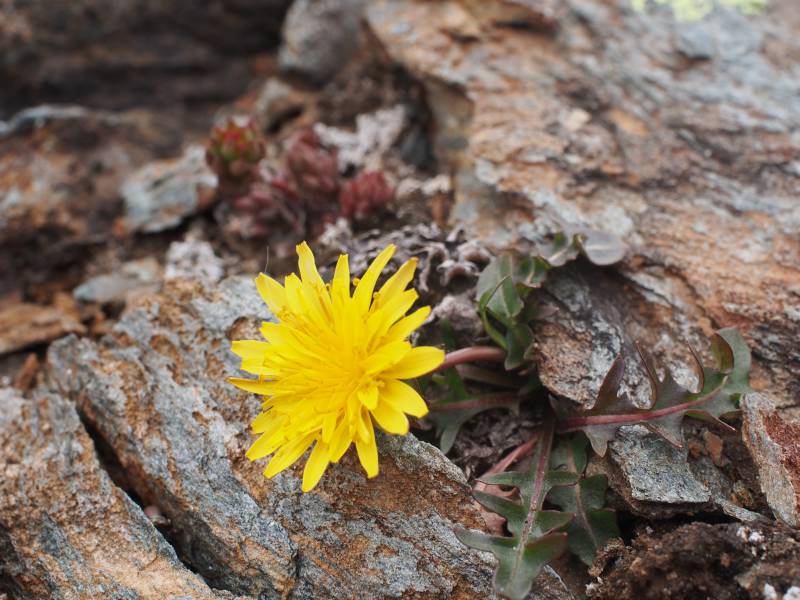
Taraxacum alaskanum
dwarf alpine dandelion
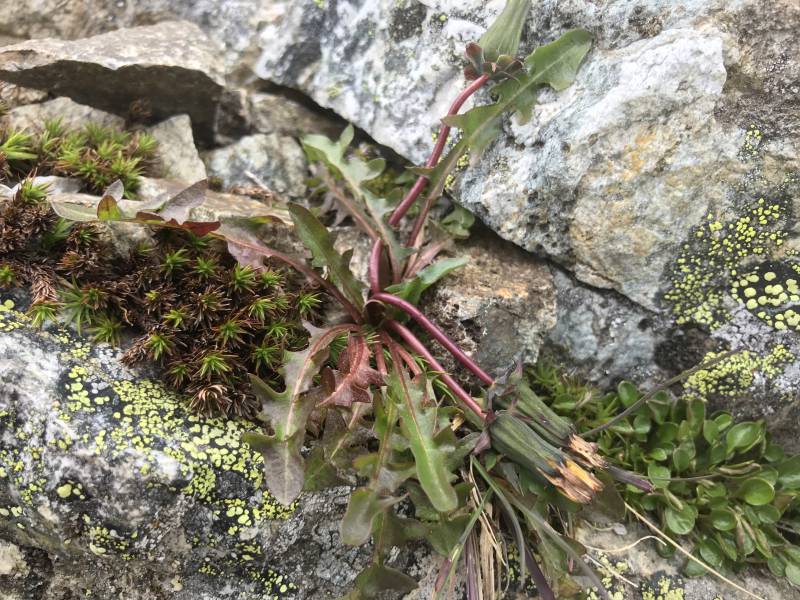
Specimens
Photos
Distribution: Occuring only in North Cascades in Washington; Alaska to Washington, also in Russian Far East.
Habitat: Rocky, exposed areas in alpine habitatas.
Flowers: July-September
Origin: Native
Growth Duration: Perennial
Conservation Status: Not of concern
Pollination: Apomixis, bees, flies
Description:
[none provided]
Accepted Name:
Taraxacum alaskanum Rydb.
Publication: Bull. Torrey Bot. Club. 28: 512. 1901.
Publication: Bull. Torrey Bot. Club. 28: 512. 1901.
Synonyms & Misapplications:
Taraxacum kamtschaticum Dahlst.
Additional Resources:
PNW Herbaria: Specimen records of Taraxacum alaskanum in the Consortium of Pacific Northwest Herbaria database
WA Flora Checklist: Taraxacum alaskanum checklist entry
OregonFlora: Taraxacum alaskanum information
E-Flora BC: Taraxacum alaskanum atlas page
CalPhotos: Taraxacum alaskanum photos
7 photographs:
Group by