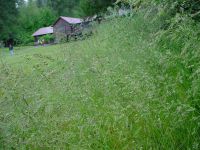
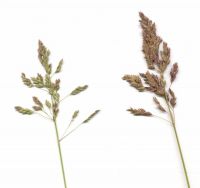
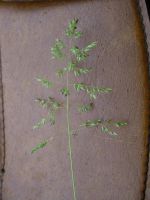
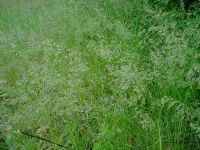
Distribution: Occurring on both sides of the Cascades crest in Washington; Alaska to California, east across North America to the Atlantic Coast: circumboreal.
Habitat: Moist, distrurbed areas from the coast to middle elevations.
Flowers: April-October
Origin: Both native and introduced
Growth Duration: Perennial
Conservation Status: Not of concern
Pollination: Wind
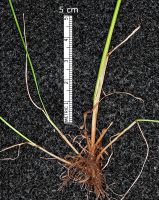
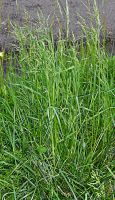
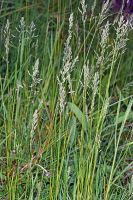
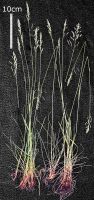
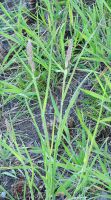
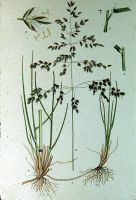
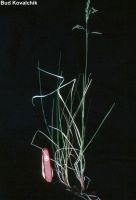
Strongly rhizomatous perennial, the culms hollow, glabrous, 4-10 dm tall.
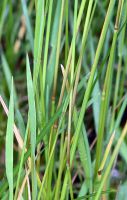
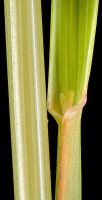
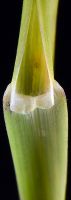
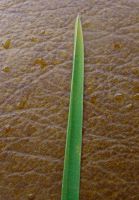
Sheaths closed about half their length; ligules 1-1.5 mm long, truncate, usually entire; blades flat, numerous, 2-4 mm broad, the tips strongly prow-shaped.
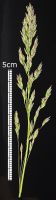
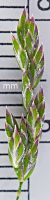
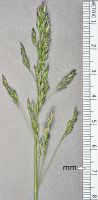
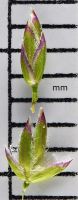
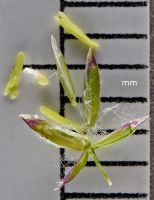
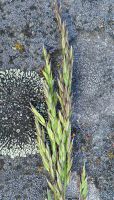
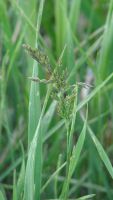
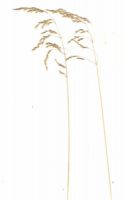
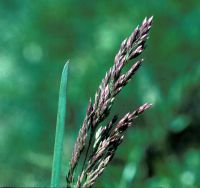
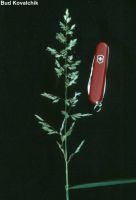
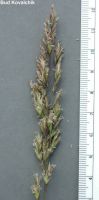
Inflorescence a moderately loose panicle 3-10 cm long, the branches slightly ascending, the lower ones 3-5 per node; spikelets 3- to 5-flowered; glumes 2.5 and 3 mm long, strongly keeled; lemmas about 3.5 mm long, strongly keeled, cobwebby at the base; palea subequal to the lemma, 2-keeled.
Publication: Sp. Pl. 1: 67. 1753.
- ssp. angustifolia – Kentucky bluegrass Occurring on both sides of the Cascades crest; widespread in North America.
- ssp. irrigata – Kentucky bluegrass Occurring on both sides of the Cascades crest in Washington; widespread in North America.
- ssp. pratensis – Kentucky bluegrass Occurring on both sides of the Cascades crest in Washington; Alaska to California, east across North America to the Atlantic Coast: circumboreal.
PNW Herbaria: Specimen records of Poa pratensis in the Consortium of Pacific Northwest Herbaria database
WA Flora Checklist: Poa pratensis checklist entry
OregonFlora: Poa pratensis information
E-Flora BC: Poa pratensis atlas page
CalPhotos: Poa pratensis photos