Distribution: Occurring east of the Cascades crest in Washington, from Yakima County south; central Washingtonto north-central Oregon near the Columbia River and lower Deschutes River.
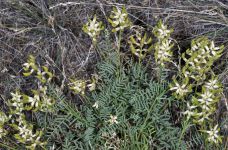
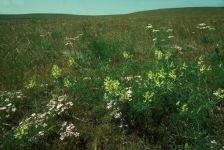
Habitat: Sagebrush plains and foothills.
Flowers: May-June
Origin: Native
Growth Duration: Perennial
Conservation Status: Not of concern
Pollination: Bumblebees, bees, butterflies
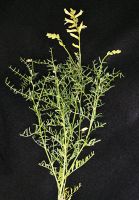
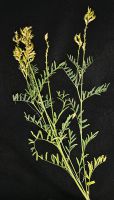
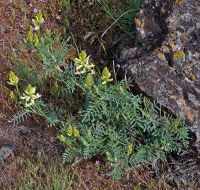
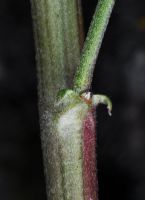
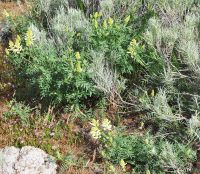
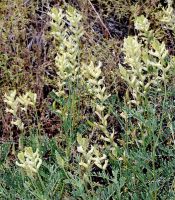
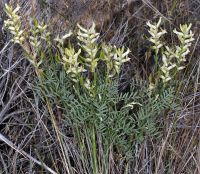
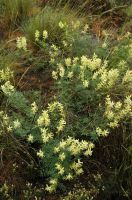
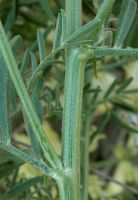
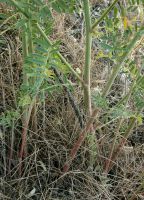
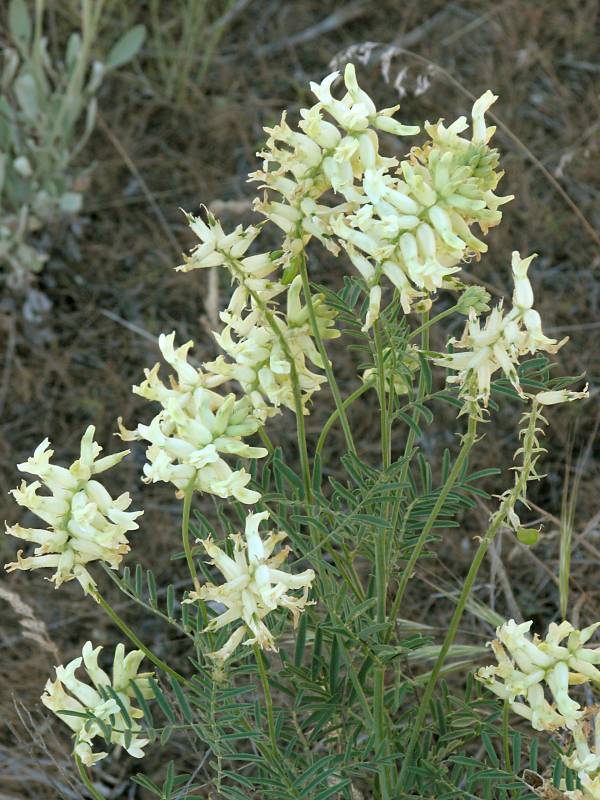
Grayish-puberulent perennial from a taproot, the several erect stems 2-6 dm. tall.
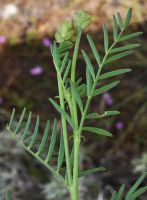
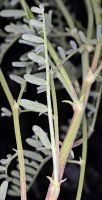
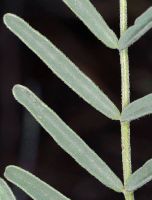
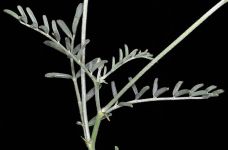
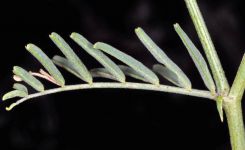
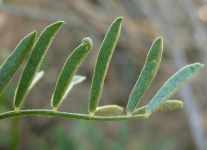
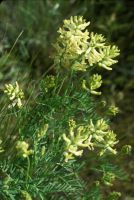
Leaves alternate, pinnate, 4-10 cm. long; leaflets 13-21, linear to narrowly oblong, 8-22 mm. long and 1-2 mm. wide; stipules lanceolate, 2-5 mm. long.
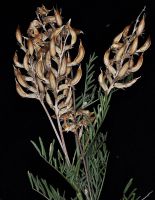
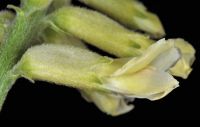
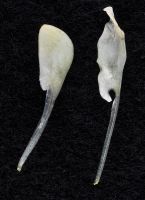
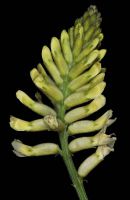
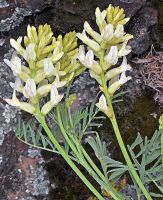
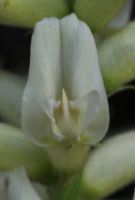
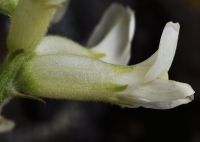
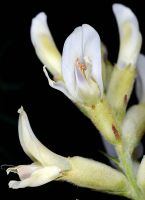
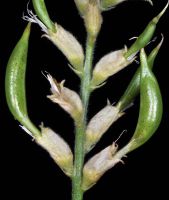
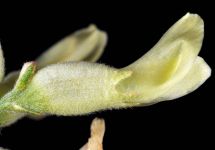
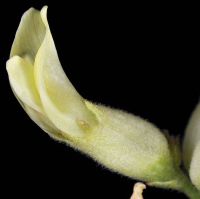
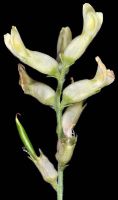
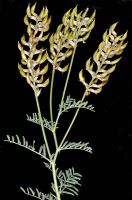
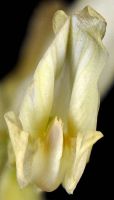
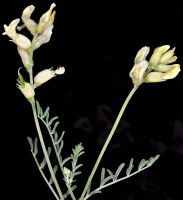
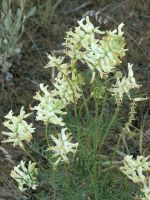
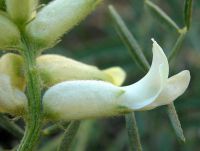
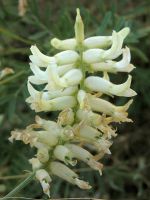
Inflorescence of closely 10- to 50-flowered racemes, the peduncles up to 15 cm. long, exceeding the leaves; flowers white to pale yellow, spreading or ascending, 15-18 mm. long; calyx 7-9 mm. long, puberulent, slightly gibbous at base, the 5 teeth 1-2 mm. long; wings acute, 1-2 mm. longer than the rounded keel; stamens 10.
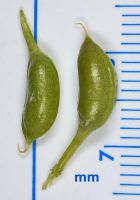
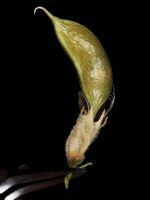
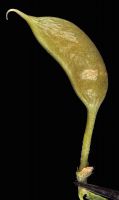
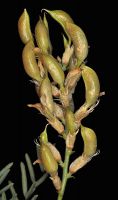
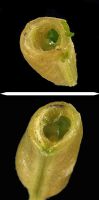
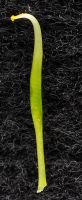
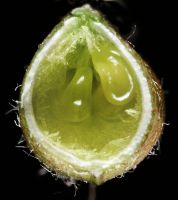
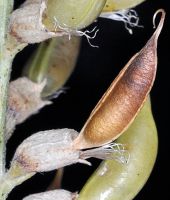
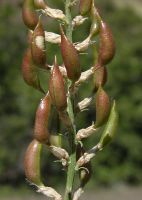
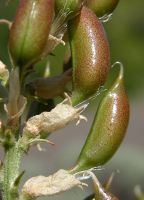
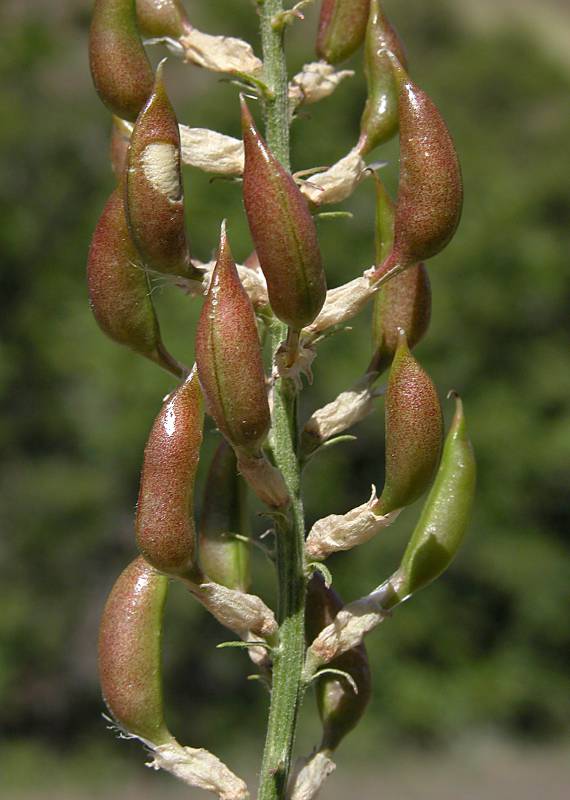
Pod erect, glabrous, with a stipe half again as long as the calyx, the body leathery, 15 mm. long and 4-5 mm. wide, terete in cross section, 1-celled, acute at each end.
Publication: Bot. Gaz. 15: 150. 1890. 1890.
PNW Herbaria: Specimen records of Astragalus tweedyi in the Consortium of Pacific Northwest Herbaria database.
WA Flora Checklist: Astragalus tweedyi checklist entry.
OregonFlora: Astragalus tweedyi information.
E-Flora BC: Astragalus tweedyi atlas page.
CalPhotos: Astragalus tweedyi photos.
USDA Plants: Astragalus tweedyi information.