Distribution: Occurring east of the Cascades crest in Washington; southern British Columbia to Oregon, east to west-central Idaho along the Snake and Clearwater Rivers.
Habitat: Basaltic grasslands and sagebrush deserts.
Flowers: May-June
Origin: Native
Growth Duration: Perennial
Conservation Status: Not of concern
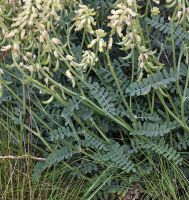
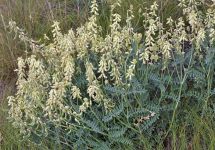
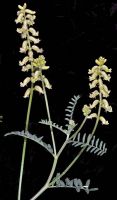
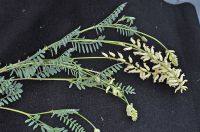
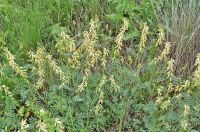
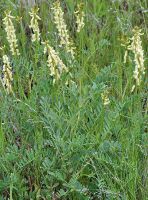
Perennial from a taproot with several spreading to erect stems 1-5 dm. tall, finely puberulent.
Perennial from a taproot with several spreading to erect stems 1-5 dm. tall, finely puberulent.
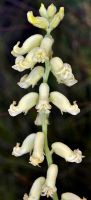
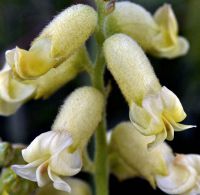
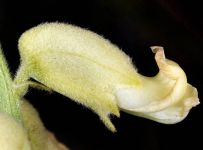
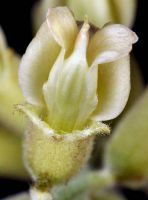
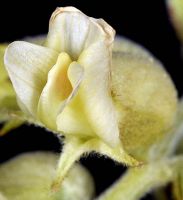
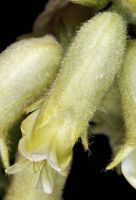
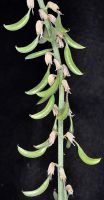
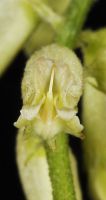
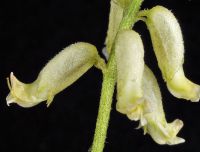
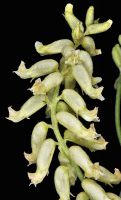
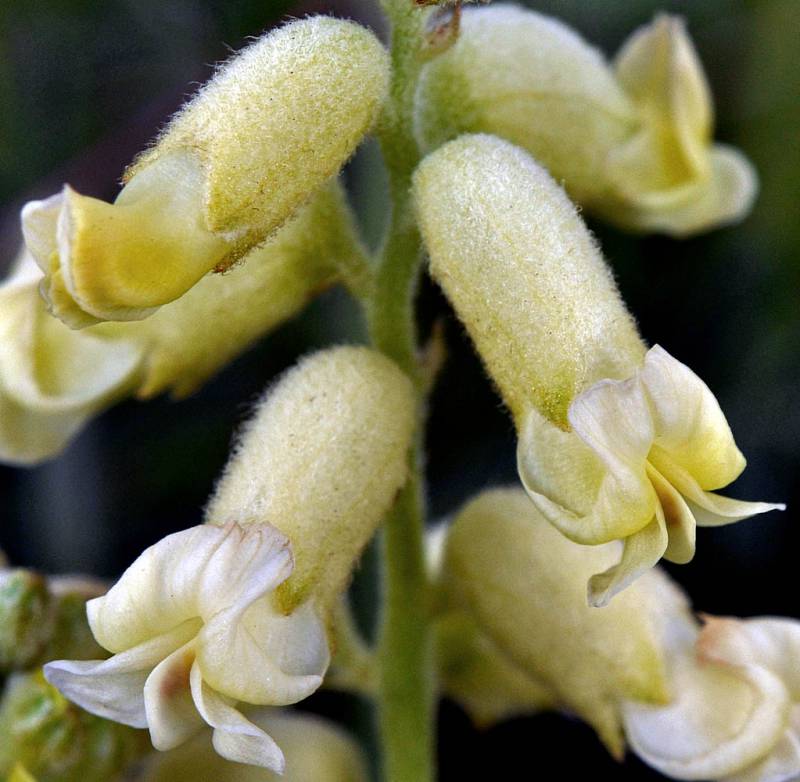
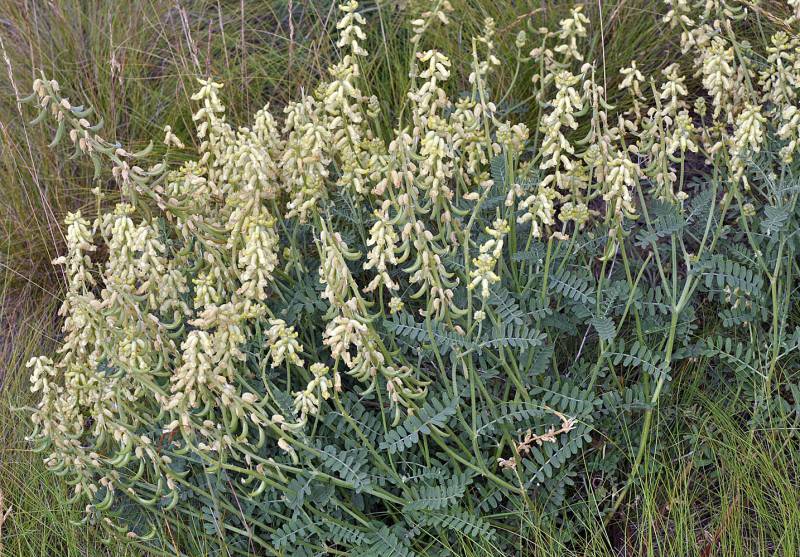
Inflorescence of closely 15- to 40-flowered racemes, elongate in fruit; peduncles longer than the leaves, up to 15 cm. long; pedicles 2-3 mm. long; flowers reflexed, about 1.5 cm. long, creamy white to yellowish- or greenish-tinged; calyx 7-10 mm. long, puberulent, the 5 teeth 1-3 mm. long; banner upturned only slightly, the wings considerably exceeding the banner but scarcely exceeding the blunt keel.
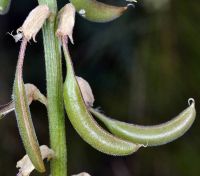
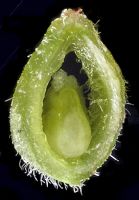
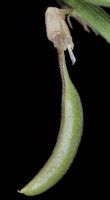
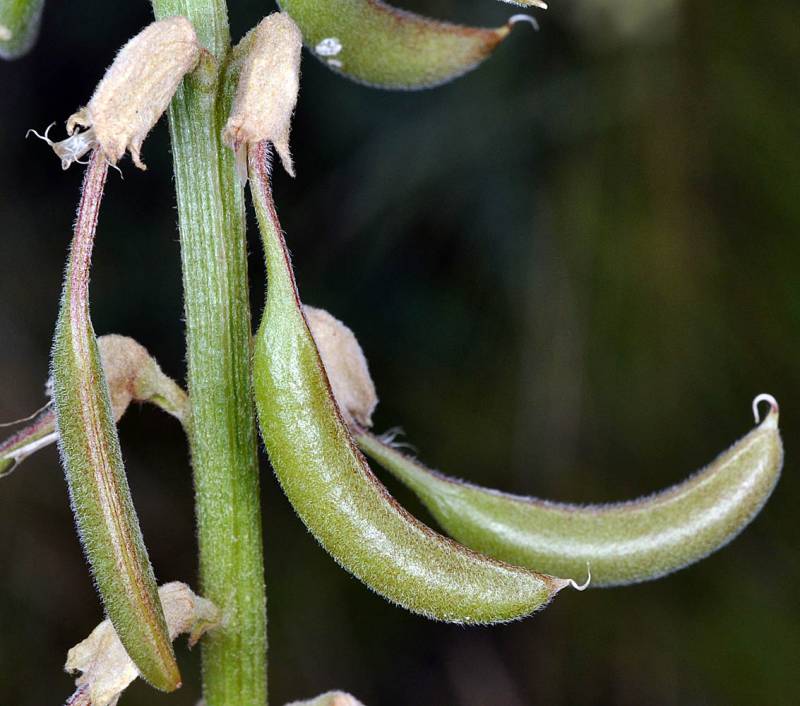
Pod pendulous, with a stipe 5-15 mm. long, the body linear to lance-oblong, nearly straight, 7-25 mm. long and 2.5-4.2 mm. broad, wedge-shaped at each end, laterally compressed.
Publication: Gen. Hist. 2: 256. 1832.
-
var. collinus – hillside milk-vetch
 Occurring east of the Cascades crest in Washington; southern British Columbia to Oregon, east to west-central Idaho along the Snake and Clearwater Rivers.
PNW Herbaria: Specimen records of Astragalus collinus in the Consortium of Pacific Northwest Herbaria database.
WA Flora Checklist: Astragalus collinus checklist entry.
OregonFlora: Astragalus collinus information.
E-Flora BC: Astragalus collinus atlas page.
CalPhotos: Astragalus collinus photos.
USDA Plants: Astragalus collinus information.